Tu red, tu ciudad · 32 países, 6 continentes
Hasta USD 1.000 al mes armando la red de tu ciudad
Tú conectas la red de tu ciudad: consigues los negocios, armas tu grupo de productores y respondes por las horas que entregan. Por cada hora aprobada de tu red cobras entre USD 1 y USD 2, además de lo que grabes tú.
Así se llega a 500 horas en el mes
- Cobras entre USD 1 y USD 2 por cada hora aprobada de tu red; el monto queda escrito en tu acuerdo. A USD 1 la hora, las mismas 500 horas son USD 500.
- Nosotros distribuimos los soportes de cabeza (headbands). En casos especiales también enviamos teléfonos, pero lo normal es sumar gente que ya tenga un iPhone, Google Pixel o Samsung Galaxy compatible.
- Cada persona suma hasta 100 horas en un mismo negocio; al llegar ahí, cambia de negocio y sigue.
Escanea, responde 5 preguntas y nos llega tu mensaje ya escrito.
Toma tu ciudad. Dinos cuál es y en qué país, y te decimos cómo arrancar tu red.
Escribir por WhatsAppCada oficio.Material real de la red, grabado esta semana. Sin producción y sin guión: la persona hace su trabajo y la cámara mira lo que ella mira.
Productor · Te pagan cada semana
Hasta USD 300 al mes grabando tu trabajo
No es un trabajo aparte: es tu mismo turno, grabado desde tu punto de vista con el teléfono en la cabeza. Cumples 20 horas en la semana y esa semana se te adelanta.
Así se llenan las 20 horas de la semana
- No esperas al final del mes: cada semana cumplida se adelanta.
- Solo pones el teléfono: el soporte de cabeza te lo llevamos nosotros.
- Grabas cuando quieras y cuanto quieras. No hay horario ni jefe.
El reparto
De cada hora aprobada, USD 4 son de quien grabó
La red es tuya y el dinero pasa por tus manos, así que conviene que el reparto esté claro desde el primer día. No hay letra pequeña: por cada hora grabada y aprobada se liquidan entre USD 5 y USD 6, y así se reparten.
Qué pasa con cada hora aprobada
- Si grabas tú, esa hora es tuya entera: los USD 4 completos, más tu parte de líder.
- Se paga por hora aprobada, no por hora grabada. Un video rechazado no se paga a nadie, ni a tu productor ni a ti.
- Tarifa única, igual en todos los países. Ni tú ni nadie negocia hacia abajo con su gente.
- Si un líder tuyo arma su propia red, él cobra su parte y tú sigues cobrando la tuya sobre toda la rama.
La marca
DÓV · ra
No estás grabando un video. Estás dejando tu oficio escrito.
Dovra es el proyecto detrás de todo esto. Una red de gente común —mecánicos, cocineras, vendedores, técnicos— grabando su trabajo de verdad para que las máquinas aprendan cómo se hacen las cosas. No hay actores ni set: hay oficio.
El nombre está armado con tres piezas: do, hacer; v, la visión, lo que la cámara ve; y la a de inteligencia artificial. Hacer, ver, aprender. Cinco letras que suenan igual en cualquier idioma, en cualquier país.
Hoy es un teléfono en la cabeza de un mecánico de tu ciudad. Mañana es la referencia con la que un robot aprende a apretar ese mismo tornillo. Y tú estabas ahí primero.
El trabajo
Qué hace un partner local
Cuatro cosas concretas. Nada de esto es técnico y nada se hace desde un escritorio.
Tu ciudad, tu municipio o tu zona. Una persona por localidad: la que llegue primero y arranque.
Hablas con los dueños de los talleres, restaurantes, tiendas y bodegas de tu zona, y consigues que autoricen grabar.
Vas, explicas de qué se trata, defines quién graba, qué tareas y en qué horario, y acompañas las primeras grabaciones para que salgan bien desde el principio. Después haces seguimiento. No se resuelve por WhatsApp.
Nosotros distribuimos los soportes de cabeza (headbands) y tú los haces llegar a tu gente. En casos especiales también enviamos teléfonos, pero lo normal es sumar personas que ya tengan un iPhone, Google Pixel o Samsung Galaxy compatible. Lo que pasa por tus manos lo llevas, lo recoges y respondes por ello.
Cómo se graba
Todo pasa dentro de la app. No se sube video hecho por fuera.
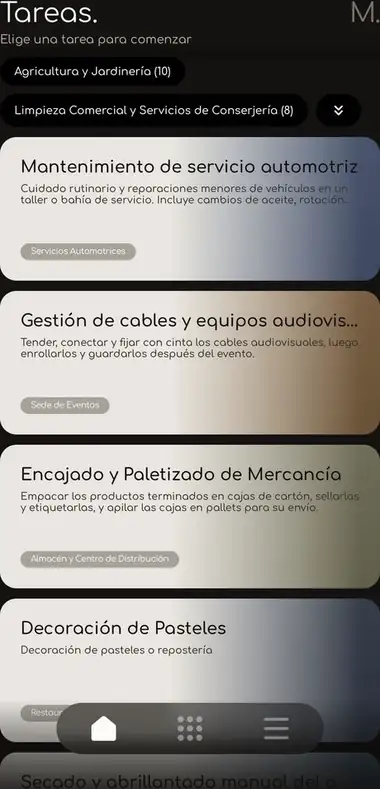
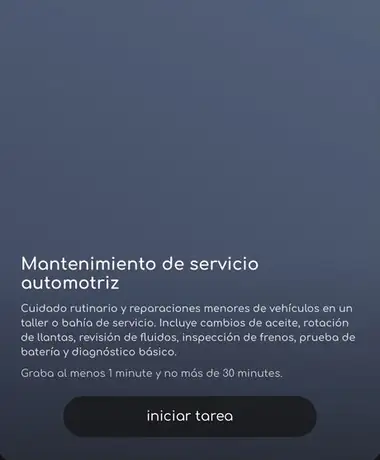
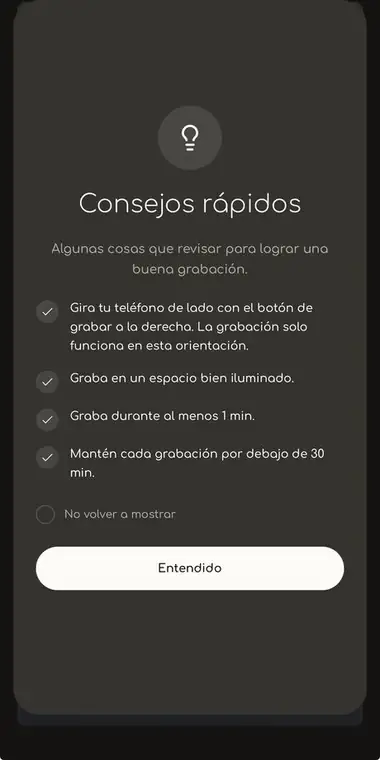
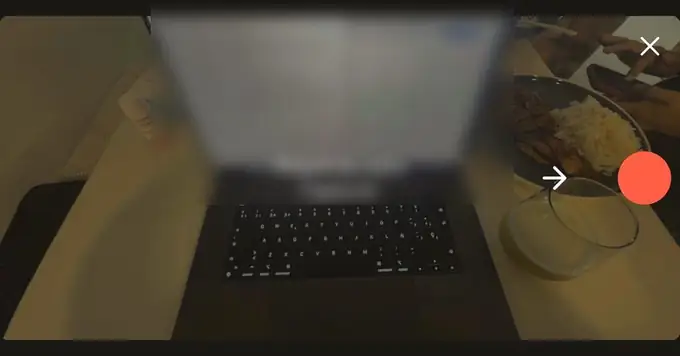
No es grabar con la cámara del teléfono y mandarnos el archivo después. Eso no existe y no se paga. La persona abre Minute, elige la tarea que va a hacer, le da empezar y la app graba. Así el video queda atado a una tarea concreta, con su hora y su duración, que es justo lo que hace que el material valga.
Qué se graba
14 rubros, 77 actividades
La app le propone tareas concretas a cada persona. Estas son: la lista abierta hoy para grabar. El catálogo que Dovra ofrece a empresas de IA tiene 15 rubros y 84 actividades porque suma Reparación de Electrónicos y el lavado de equipos en plantas de alimentos. Filtra por rubro para ver las de cada uno.
Requisitos técnicos
Esto es lo que hay que respetar
No son consejos: son los requisitos de quien recibe el material. Explícaselos a tu gente antes de que empiecen.
1. El teléfono
La app valida el modelo al abrir. Con cualquier otro, no deja grabar.
2. La toma
3. El clip
4. La revisión
Cada envío pasa por tres filtros automáticos. Tarda entre 24 y 48 horas.
5. Lo que no se paga nunca
Estos seis patrones son fraude confirmado: no se pagan y desactivan la cuenta.
6. Límites
Registro y horas
Cómo te registras y cómo quedan las horas a tu nombre
Hay un solo enlace de registro para todo el proyecto, el mismo para todos. Lo que separa una localidad de otra no es el enlace: es que nos digas qué correos son tuyos. Tres cosas, en este orden.
Es el primer paso, antes de salir a hablar con negocios. Bajas Minute y te registras con el enlace de abajo. Es el mismo enlace para todo el proyecto: no hay un código por persona ni por ciudad.
Como el registro es común, todo llega junto y nosotros lo separamos. Hay dos maneras de que quede a tu nombre y dependen de si prestas el equipo o no. Las dos están explicadas abajo.
En el panel ves cuántas horas lleva tu localidad y cuánto vas generando.
Si pones tu teléfono y tu cuenta
Todo lo que se grabe cae bajo tu usuario directamente. No hay que hacer nada más.
- El equipo es tuyo y la app está abierta con tu cuenta.
- Las horas se suman solas a tu localidad.
- No tienes que avisarnos nada.
Si la persona del negocio se registra por su cuenta
Cuando no pones ni teléfono ni cuenta, la persona del negocio abre su propio registro. Ahí tienes que conseguir ese correo electrónico y avisarnos que pertenece a un negocio tuyo. Nosotros lo asignamos a tu localidad.
- Consigue el correo con el que se registró.
- Avísanos que ese correo es de un negocio de tu localidad.
- Nosotros lo asignamos y desde ahí sus horas cuentan para ti.
Cómo empezar
Cuatro pasos y estás corriendo
Dinos qué negocio tienes, en qué ciudad está y qué tareas se podrían grabar ahí. Si llegaste por un referido, menciónalo.
Dinos qué localidad tomas y en qué país. Si ya tienes negocios en mente, mándanos la lista. Y si el del negocio eres tú, dínoslo también.
Cada parte recibe un enlace, lo lee y firma desde el teléfono. Ahí queda escrito quién cobra qué y hasta dónde va el acuerdo.
En el tuyo quedan escritos los $4 por hora grabada en tu local y qué tareas autorizas.
Ahí queda escrito cuánto cobras por hora aprobada de tu red y cómo se reparte el pago. Cada negocio firma su permiso aparte.
Cada persona que graba se registra en Minute con el enlace del proyecto, que es el mismo para todos, y baja la app.
Después nos pasas esos correos para que las horas queden atadas a tu negocio.
Después nos pasas esos correos para que los asignemos a tu localidad. Sin ese aviso no hay cómo saber que son tuyos.
Entras con tu correo y el código del proyecto, y ves las horas grabadas en tu local y lo que llevas ganado.
Entras con tu correo y el código del proyecto, y ves las horas de tu localidad y lo que llevas ganado.
El enlace de registro
Este es el enlace que le das a cada persona que va a grabar. Cópialo y mándaselo por WhatsApp.
https://useminute.app/signup?code=82JSG52F